Ear Piercing Infection vs. Normal Healing: Spot the Signs
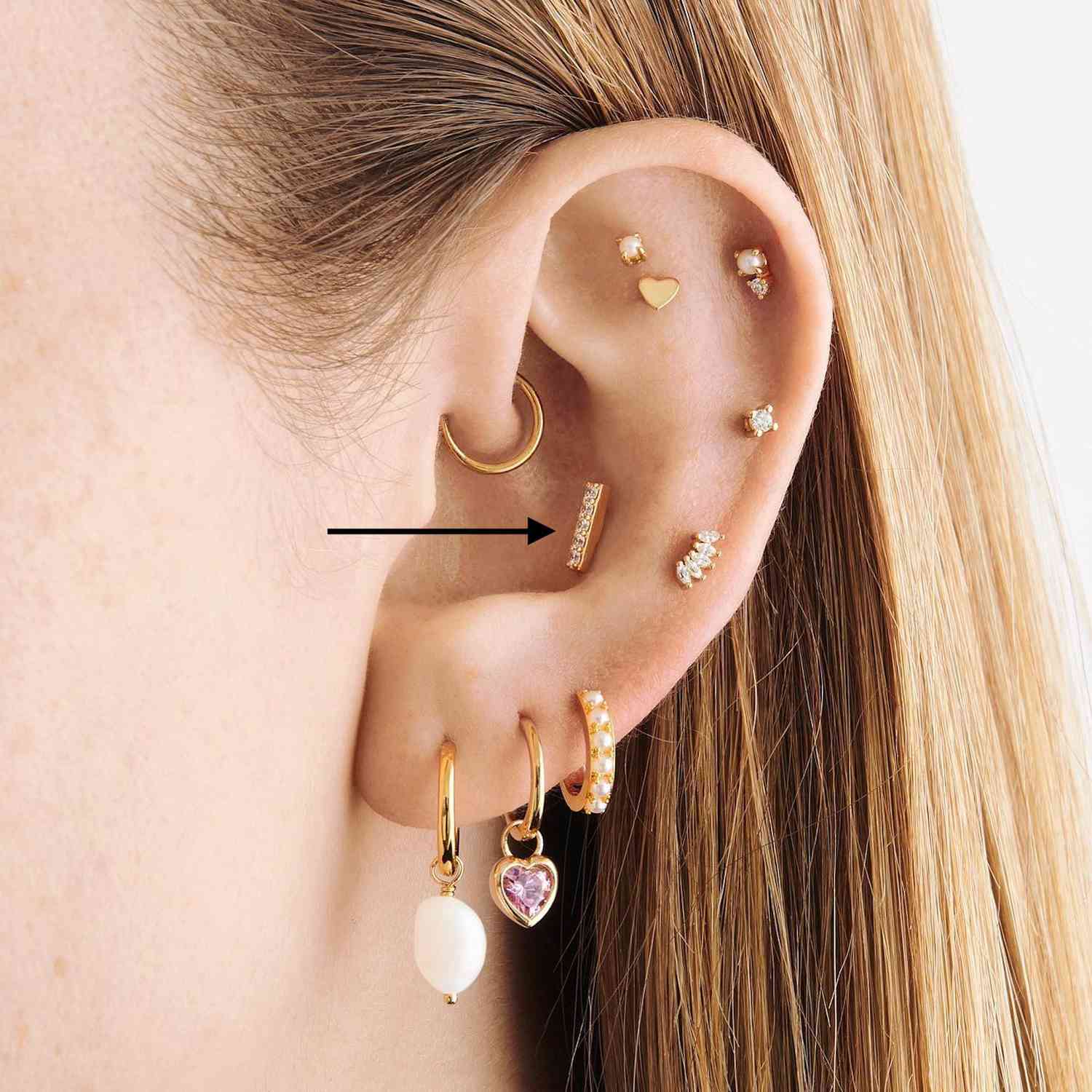
Getting an ear piercing is a popular and relatively simple form of body art. However, the body still sees it as a wound and begins its natural healing process immediately. It's common for some redness, swelling, and slight tenderness to appear around the newly pierced area. These are typical signs of healing and should gradually fade over time. During the first few days, the piercing site might ooze a clear or slightly white fluid. This is normal and indicates that the body is forming a scab and regenerating tissue. It’s essential to keep the area clean and dry and to avoid unnecessary touching, which can introduce bacteria. Lets delve into Ear Piercing Dubai.
Signs of a Normal Healing Piercing
Understanding what a healing piercing looks like helps in avoiding unnecessary worry. These are some common indicators that things are going well:
Mild Redness and Swelling
Short-term redness and slight swelling right after piercing is natural. This should begin to reduce within a few days.
Clear or White Discharge
A light discharge that dries into a yellowish crust is a normal part of the healing process. It’s the body’s way of protecting the wound.
Occasional Itchiness
Mild itchiness is often part of the healing process. It’s caused by new skin forming and should not be accompanied by severe pain.
Gradual Reduction in Tenderness
Over time, the pain or sensitivity should lessen. If it’s becoming more comfortable day by day, it’s likely healing properly.
How to Identify an Infected Ear Piercing
It’s important to distinguish between healing signs and possible signs of infection. While many symptoms can overlap, infections usually present more intensely and persist or worsen over time.
Persistent Redness and Swelling
If the redness and swelling increase or don’t improve after several days, this could be a sign of an infection setting in.
Thick Yellow or Green Discharge
Unlike the thin, clear fluid of a normal healing wound, a piercing that leaks thick, discolored pus may be infected.
Throbbing Pain
Sharp, increasing pain or a throbbing sensation around the piercing site is often a warning sign.
Warmth Around the Piercing
An infected area often feels noticeably warmer than the surrounding skin, which may signal inflammation.
Foul Odor
Any bad smell coming from the piercing should be taken seriously. It typically indicates bacteria buildup.
Development of a Lump
A hard bump or painful lump near the piercing site may be the result of an infection or trauma and should not be ignored.
Key Differences Between Healing and Infection
Recognizing the contrast between normal healing and infection is vital. Here are the key differences to observe:
- A healing piercing should improve daily, while an infected one may worsen or show no signs of recovery.
- Normal discharge is minimal and light in color, while infection-related discharge is thick, colored, and sometimes smells.
- Itchiness is common in healing, but intense pain or burning sensations suggest something more serious.
- Infections tend to come with symptoms like fever, whereas normal healing does not affect overall body temperature.
When to Be Concerned
If any signs of infection persist beyond a few days or appear suddenly after the piercing seemed to be healing well, it may be time to seek help. Sudden swelling, prolonged pain, or fever could indicate the body is fighting an infection. Being aware of how the piercing feels and looks from day to day helps in identifying any troubling changes early on.
FAQs
How long does it take for an ear piercing to heal?
Most Ear Piercing in Dubai take between four to eight weeks to heal. Some may take longer depending on their location and how well they're cared for.
Is it normal for a piercing to be red and itchy?
Yes, some redness and itchiness are part of the natural healing process. It becomes a concern if the redness deepens, spreads, or the itching turns into sharp pain.
What kind of discharge is considered normal?
A light, clear fluid that dries into a crust is normal. Discharge that is thick, yellow, green, or foul-smelling may signal infection.
Can I sleep on my newly pierced ear?
It’s better to avoid pressure on the pierced ear during the early stages of healing. Sleeping on the opposite side helps prevent irritation and inflammation.
Why does my ear feel hot around the piercing?
Mild warmth can be normal, especially after cleaning or touching the area. But constant or increasing warmth along with other symptoms may suggest an infection.
Should I twist the earring during healing?
It’s best to avoid twisting or moving the earring too often. Minimal movement allows the tissue to heal properly and reduces irritation.
What should I do if my piercing bleeds?
Minor bleeding right after the procedure can be expected. If bleeding continues or reappears later, it’s worth keeping a close watch for other symptoms.
Final Thoughts
Understanding the difference between normal healing and infection after an ear piercing can save a lot of stress and prevent potential complications. While minor symptoms like redness and tenderness are expected, escalating symptoms such as pain, warmth, and discolored discharge need closer attention. Monitoring the progress daily with patience and gentle care ensures that any issues are caught early. Recognizing what's normal and what isn't helps in making informed decisions for a smooth healing experience.
