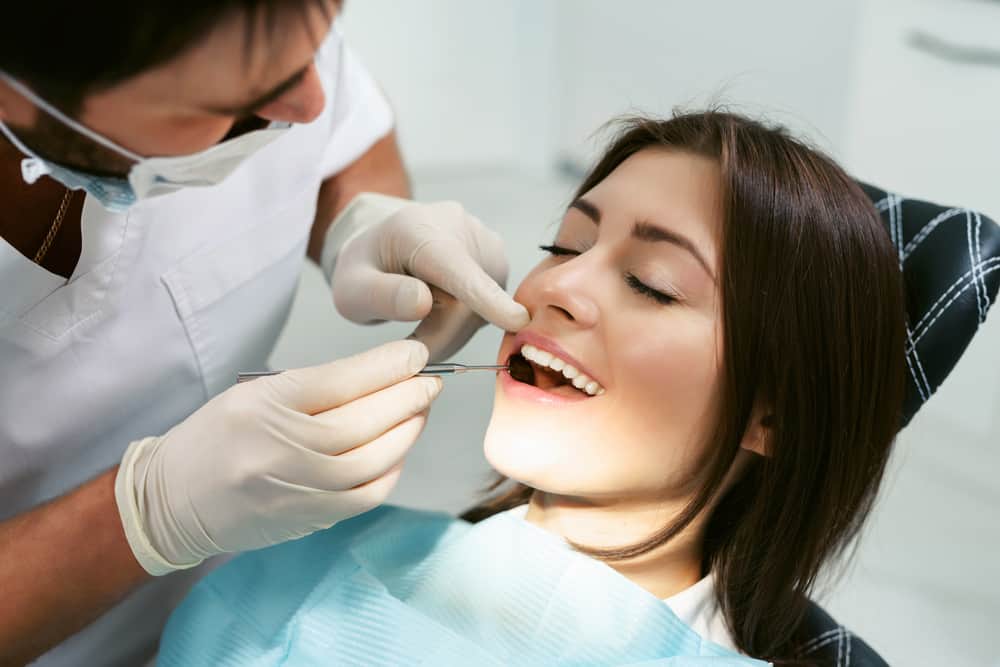
Understanding Retainer Maintenance
A retainer sits inside the mouth for extended periods, often for hours at a time, and this makes it susceptible to the buildup of bacteria, plaque, and debris. Dental hygienists understand the challenges that come with this and offer personalized care instructions to support proper hygiene practices. Their insights can be especially helpful for those adjusting to the daily routine of retainer use.The Importance of Clean Retainers
A clean retainer isn’t just about comfort—it’s a key factor in long-term dental health. Dental hygienists explain how an unclean retainer can harbor harmful bacteria and transfer it back to the teeth and gums. During routine visits, they inspect the retainer and its impact on the surrounding oral environment to make sure nothing is being overlooked.Encouraging Proper Brushing Techniques
Dental hygienists demonstrate the right way to brush teeth while wearing a retainer and when it’s removed. They emphasize cleaning all surfaces of the teeth thoroughly and carefully brushing around the gum line. This helps prevent plaque buildup that could be worsened by the presence of a retainer.Cleaning Guidance for Removable Retainers
Removable retainers require careful and consistent cleaning. Dental hygienists share effective techniques to help keep them free of buildup.Rinsing and Brushing
Hygienists recommend rinsing the retainer with water each time it is taken out of the mouth. They also instruct how to brush the retainer gently using a soft-bristled toothbrush, making sure every angle is cleaned without damaging the material.Dry Storage Practices
When a retainer isn’t in use, dental hygienists explain the importance of proper storage. Keeping it in a clean, dry container helps prevent the growth of bacteria or mold. Patients are advised on how to avoid habits that could expose retainers to harmful environments, like wrapping them in tissue or leaving them out in the open.Supporting Patients with Fixed Retainers
Unlike removable ones, fixed retainers remain in the mouth and are bonded to the teeth. Dental hygienists help patients manage these types by giving special instructions tailored to their needs.Flossing Assistance
Flossing with a fixed retainer requires a different approach. Dental hygienists demonstrate techniques such as threading floss carefully under the wire. These instructions help patients effectively clean between their teeth and avoid plaque accumulation in hard-to-reach spots.Monitoring Retainer Condition
Hygienists keep a close watch on the condition of fixed retainers during appointments. They check for signs of wear, loosening, or buildup. If they notice any concerns, they guide the patient on what steps to take next to protect their dental health.Building Long-Term Habits
One of the biggest advantages of seeing a dental hygienist regularly is the development of good oral care habits that last for years.Routine Education and Motivation
Hygienists are not just focused on cleaning teeth—they also act as motivators and educators. They talk with patients about their habits, listen to challenges, and provide realistic suggestions. This ongoing encouragement helps people remain consistent with their oral care routines, especially when it comes to retainer maintenance.Personalized Hygiene Plans
Every mouth is unique, and hygienists recognize this. They create personalized hygiene routines based on the patient’s dental structure and the type of retainer being used. This personal attention makes a big difference in preventing long-term dental issues.Preventing Plaque and Tartar Buildup
Since retainers can trap food particles and encourage bacterial growth, hygienists focus on prevention during appointments.Regular Professional Cleanings
During cleanings, dental hygienists remove any plaque and tartar that may have formed around the retainer. This keeps the teeth and gums healthy and reduces the chances of cavities or gum problems. Patients are also reminded how important it is to attend their cleanings on time.Observing Gum Health
Dental hygienists also pay close attention to gum health. Since retainers sit close to the gums, it's important to ensure there’s no inflammation or recession. They share advice on brushing angles and pressure to prevent gum irritation caused by poor brushing technique.Encouraging Open Communication
Hygienists welcome questions and are ready to explain retainer care in easy-to-understand terms. They make patients feel comfortable discussing concerns, whether it’s about retainer fit, cleaning methods, or oral discomfort.Addressing Common Concerns
Some people may be unsure if they’re caring for their retainer correctly. Hygienists take the time to go over their current methods and gently correct any mistakes. This supportive environment helps people feel confident in their daily routines.Importance of Consistency
Dental Hygienist in Dubai remind patients that taking care of a retainer is not a one-time task but a long-term commitment. Their reminders help people stay on track, especially when life gets busy.Keeping Up with Retainer Use
Hygienists check if patients are wearing their retainers as instructed. Skipping retainer wear can lead to teeth shifting out of place. Gentle reminders and encouragement from hygienists help patients stick to their schedules and keep their smiles aligned.FAQs
What role does a dental hygienist play in retainer maintenance?A dental hygienist helps ensure both the teeth and retainer stay clean. They provide detailed care instructions, professional cleanings, and monitor oral health during routine visits.
